Rust, how Blooprint held an OP monument solo against multiple neighbors
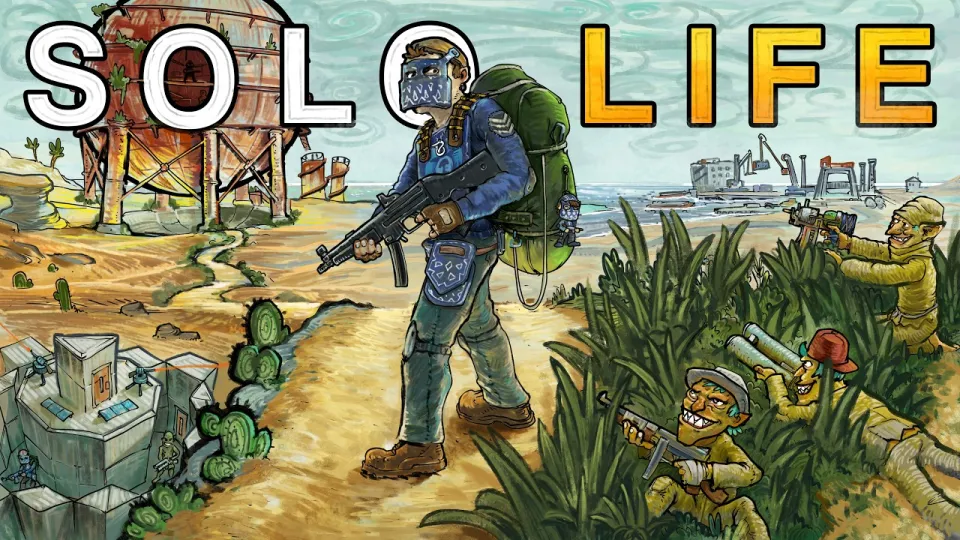
Video: Rust - THE SOLO LIFE V16
Want articles like this for your own video to promote it on YouTube and Google? Order them through the Telegram bot @sat_sit_bot. The bot writes and publishes the articles itself (with your YouTube video embedded) on popular topical websites (no ads). Your first 50 articles are free.
· based on the channel Blooprint
Rust solo play means running a base, farming and raiding without a teammate, and Blooprint's solo life run shows the hardest version of that: one player holding an OP monument while several neighboring groups try to take it from him. The video follows that attempt from base setup through raid defense, with the monument fight as the spine of the whole run. If you want to try War Thunder yourself, you can grab the free bonus via Blooprint's link and support the channel at the same time.
What "holding an OP monument" actually means in Rust
An OP monument is a high-value point of interest — the kind of place where crates, puzzles and loot spawns make it worth contesting — and holding one solo means locking down that loot cycle while everyone nearby knows exactly where you are. In a group you can split roles: one player watches the puzzle, one holds the entrance, one runs loot back to base. Alone, every one of those jobs is yours at the same time, which is why monument control is usually the first thing solos give up.
The trade-off is straightforward. A monument gives a solo player a repeatable source of components, scrap and military-grade loot without long travel, but it also puts your base and your routes inside someone else's farming loop. Neighbors who farm the same monument will treat a solo base on it as an invitation, and that is exactly the pressure the run is built around.
Base setup before the monument fight
A solo base on a monument has to survive the first ten minutes of attention, not just the first raid. The practical checklist for this style of run looks like this:
- Pick a spot with one approach you can watch and at least one escape route — a single door in and out is a coffin when three players push together.
- Keep the starter cheap and expandable. Comments on the video compare the opening build to the Willjum starter, the low-cost honeycomb pattern solos use to buy time without wasting farm.
- Store loot in more than one place. A solo who loses a monument fight should lose a raid's worth of loot, not the whole wipe.
- Put a secondary stash or sleeping bag near the monument so a death does not mean a full run back.
- Farm the monument in short cycles and bank often — long trips with a full inventory are what turn a good run into a free gift.
The base is not the goal in itself; it exists to make the monument trips repeatable, and every upgrade should be paid for by loot that came out of that monument.
Defending a solo base against multiple neighbors
Raid defense is where solo Rust stops being about aim and starts being about information. When several neighbors coordinate — or just show up at the same time because everyone heard the same explosions — you are outnumbered on doors, on angles and on respawns, so the defender's advantage has to come from preparation.
What matters in a solo defense:
- Sound. Footsteps, doors and explosive placement tell you which side is the real push and which is a distraction. React to the real one.
- Peek discipline. Trading kills one-for-one is a losing deal when you have one life and they have five. Shoot from angles you can leave.
- Bag placement. A sleeping bag inside the compound turns a death into a re-entry instead of a walk of shame.
- Loot routing. Move the important boxes deeper before the raid starts, not during it.
- Timing. Attackers burn time and explosives on every failed push; a solo who simply does not die wins the clock.
Comments on the run single out a defense where two solo players effectively fought side by side against the same push — an improvised alliance that shows how much of solo survival is social, not mechanical.
The neighbor problem: allies, opportunists and grudges
On a busy server your neighbors are the real difficulty setting, and a solo run is a continuous negotiation with them. Some players farm the same monument and will fight you for it; some will ignore you until you are weak; and occasionally one turns out to be genuinely helpful, which is what viewers noticed about the friendly neighbor in this run.
A few rules that hold up across wipes:
- Learn who farms where and when. Predictable neighbors are manageable neighbors.
- Talk before you shoot when the fight is even — a truce costs nothing and buys farm time.
- Never let a "friendly" player see your loot room or your door codes.
- Expect the grudge. Killing the same player three times makes you his whole wipe.
- Accept help when it is real, but keep your own escape route ready.
The run also leans on movement tools like the parachute to reposition quickly around the monument and the surrounding terrain, which is the solo equivalent of having a teammate rotate for you.
Why solo Rust content keeps pulling viewers in
Solo Rust is chaotic — offline raids, third-parties, monument fights that turn into server-wide drama — yet the videos that work best feel calm, and viewers regularly point out that contrast. The reason is pacing: a solo has to slow down, plan routes and pick fights, so the footage reads as deliberate rather than frantic.
That is also why the series format matters. THE SOLO LIFE has run for sixteen entries, and this one landed right after the A Solo's Journey arc, which is why the audience reaction was so immediate. For players learning the game, a solo run is the clearest teaching tool available: one player, one base, one inventory, and every mistake visible.
Common questions solos ask after watching a run like this
Newer solo players tend to ask the same things, and the answers are less about skill than about discipline.
Should a solo build on a monument at all? Only with a cheap, replaceable base and a banked stash elsewhere. If losing the monument base ends your wipe, you built too expensive.
How do you beat a group in a raid defense? You do not out-frag them; you outlast them. Use sound to find the real push, avoid even trades, keep bags close and let their explosives and patience run out.
Is it worth teaming with a random neighbor? For a single fight, often yes — two solos defending against a third party is a real advantage. For a wipe, no: shared bases and shared codes end badly.
Why do night fights look so dark on stream? Because they are. Night vision in Rust is limited, and viewers joke about not seeing anything in dark scenes because the game genuinely hides players in shadows. Turning up gamma helps a little; positioning and audio help more.
Useful links
- War Thunder free bonus (PC and consoles): https://wtplay.link/blooprint
- War Thunder mobile: https://wtm.game/blooprint
- Blooprint on Twitch: https://www.twitch.tv/blooprint
- Blooprint on Kick: https://kick.com/blooprint
- Blooprint on TikTok: https://www.tiktok.com/@blooprintgames
Bottom line
Holding an OP monument solo in Rust is a test of preparation, not raw PvP: a cheap expandable base, split loot, short farming cycles and a defense built around sound and patience are what let one player survive several angry neighbors. Blooprint's run makes that visible from the first starter build to the final defense, and the channel's solo series is the clearest reference for anyone trying the same approach. If you want to support the channel and pick up a free bonus, use the War Thunder registration link before your next wipe starts.
Key takeaways
- Blooprint's solo run centers on holding an OP monument alone while several neighboring groups try to push him out.
- The video is the V16 entry of the long-running THE SOLO LIFE series, published on 30 September.
- Solo monument control in Rust means one player covering loot, crates and exits without a teammate to watch his back.
- Raid defense against multiple attackers is the recurring theme: comments highlight a two-solos-with-a-dream stand.
- The run includes a friendly neighbor who helps out and a parachute sequence, plus night scenes players joke are unreadable.
Source: Rust - THE SOLO LIFE V16 · Markdown version
Questions & answers
Can you realistically hold an OP monument as a solo in Rust?
Yes, but only with the right setup. A solo needs a cheap base near the monument, loot split between several stashes and short farming cycles so a lost fight does not end the wipe. Holding the monument is about repeatable trips, not about winning every fight around it.
How do you defend a solo base when several neighbors raid at once?
Lean on preparation instead of aim. Use sound to identify the real push, avoid one-for-one trades, keep sleeping bags inside the compound for fast re-entry and move your best loot deeper before the raid starts. Attackers burn explosives and time on every failed push, so surviving the clock is the win condition.
Is it worth teaming up with a neighbor during a raid?
For a single defense, often yes — two solos holding one angle can beat a larger group that expected an easy raid. For the long term it is risky: shared bases, shared codes and shared loot rooms tend to end in a betrayal, so keep your own stash and exit route.
Why is night fighting so hard to see in Rust videos?
Rust's night is genuinely dark and night vision only helps so much, so players in shadows are hard to spot on stream and in game. Positioning and audio cues matter more than brightness; a slight gamma increase helps, but it will not turn night into day.